
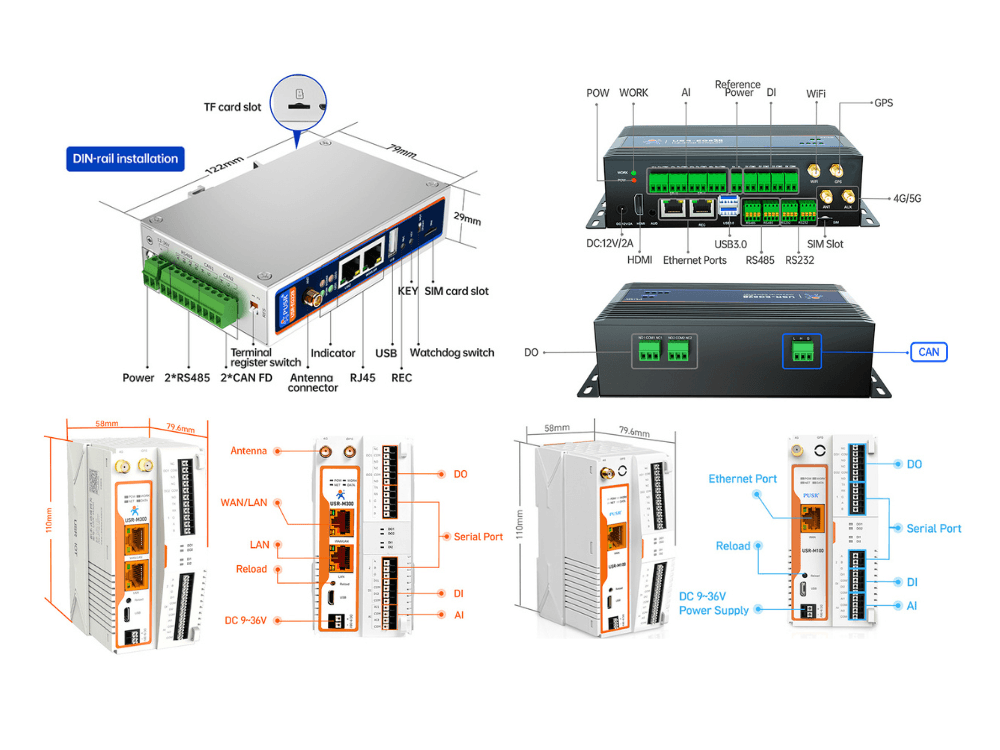
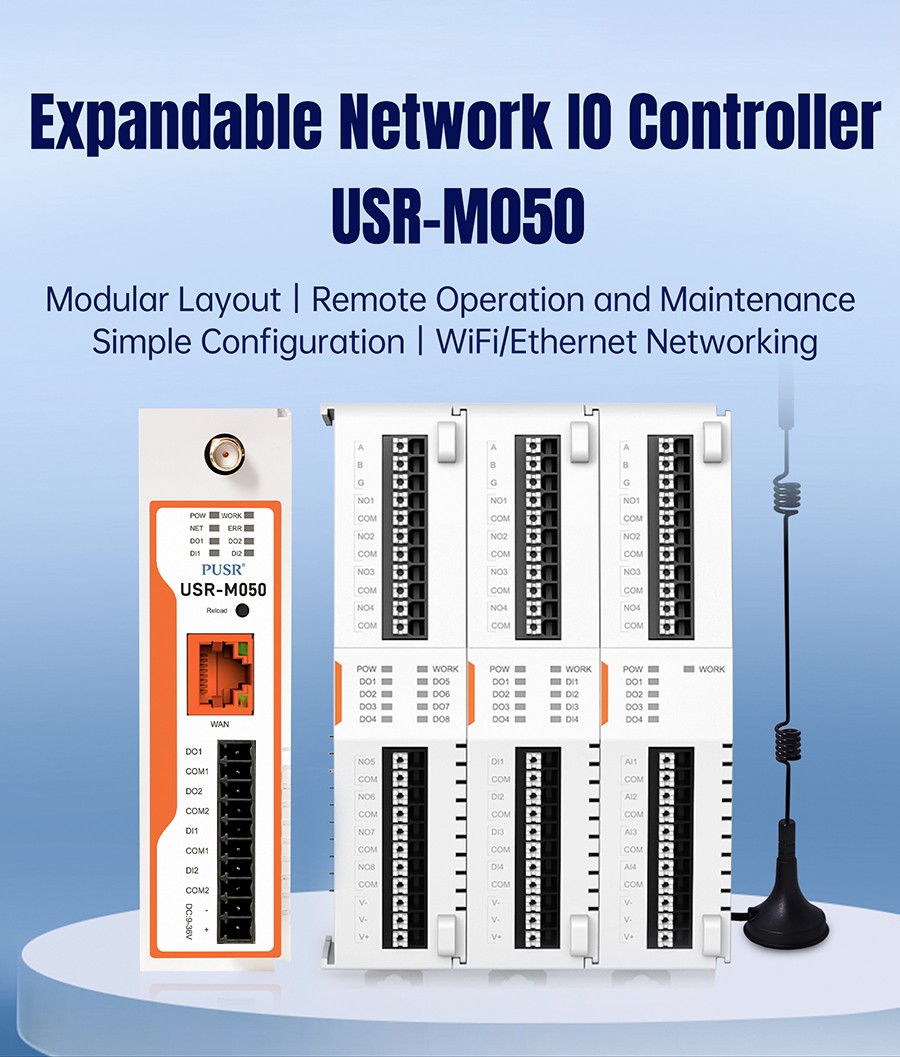
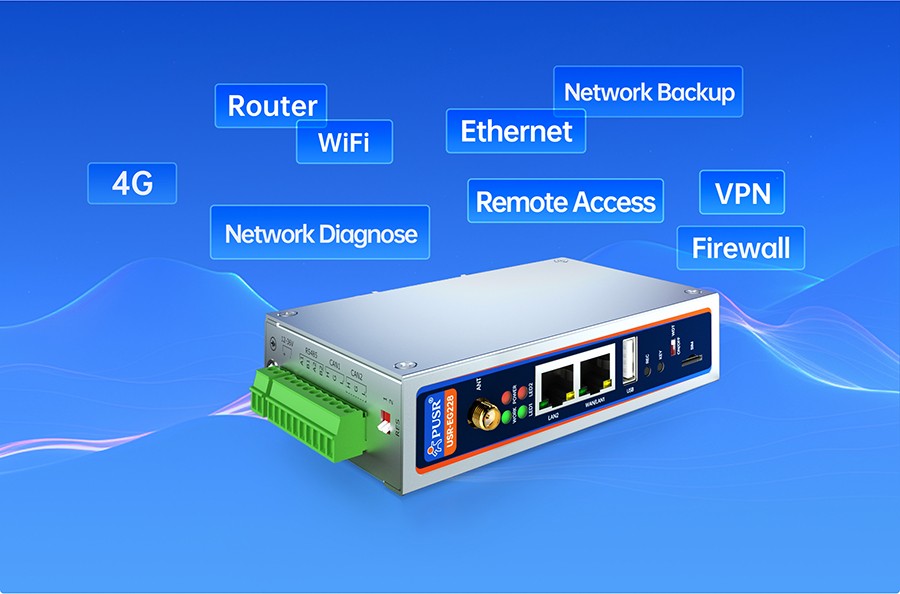
Industrial Edge Computing brings computational power, data processing, and real-time decision-making closer to the source of data—right at the machines, sensors, and industrial processes that generate it. Instead of sending large volumes of data to remote servers or cloud systems, edge computing platforms analyse, filter, and act on data locally, enabling faster response times, improved reliability, and reduced bandwidth usage.This category includes edge data collection gateways, industrial IoT controllers, and modular IO controllers, each designed for a specific role in bridging automation systems with advanced digital intelligence. Together, these devices enable smarter industrial operations, predictive maintenance, distributed control, and seamless integration with APS Cloud and enterprise systems.As factories, utilities, and infrastructure move toward Industry 4.0, edge computing becomes a critical component—allowing organisations to run AI algorithms, protocol translation, rule-based logic, and automation workflows directly at the operational level. Industrial Edge Computing is therefore not just a layer of hardware, but the intelligence layer that connects machines, networks, and cloud platforms into one unified ecosystem.
What is Industrial Edge Computing?
Industrial Edge Computing refers to computing platforms and intelligent gateways installed close to industrial equipment to perform local data processing, protocol conversion, and real-time automation. These devices reduce reliance on cloud systems by enabling decisions and analytics to occur on-site, improving system responsiveness and resilience.
Industrial Edge Computing consists of several key device groups:
1. Edge Data Collection Gateways
These gateways gather data from PLCs, sensors, serial devices, and IO modules, then preprocess, filter, or aggregate it before sending it to cloud platforms or SCADA systems. They support multiple communication interfaces and protocols, enabling interoperability between diverse machines and networks. Edge gateways are ideal for real-time monitoring, condition tracking, and protocol translation in distributed systems.
2. IoT Controllers / Industrial Edge Computers
IoT controllers combine the power of industrial PCs with embedded communication capabilities, enabling advanced logic execution, device orchestration, and AI-enabled edge analytics. They support Linux/Ubuntu operating systems, flexible IO expansion, and multiple network interfaces, making them central hubs for high-performance edge applications. These controllers allow engineers to deploy custom scripts, secondary development, machine learning models, and complex automation workflows directly at the edge.
3. Modular IO Controllers
Modular IO controllers provide scalable digital and analog input/output expansion for automation systems and edge platforms. They support industry-standard protocols such as Modbus and allow custom configurations based on project requirements, from DI/DO modules to analog AI/AO configurations. These IO controllers act as the physical interface between field devices and edge computing platforms, enabling precise data acquisition and control in industrial environments.
Together, these device groups create a powerful integration and intelligence layer, enabling real-time decision-making, seamless data flow, and enhanced operational insight across entire industrial systems.
Specifications
Category | General Specification Range |
|---|---|
Processing | From low-power microcontrollers to multi-core X86 or ARM CPUs |
Connectivity | Ethernet, RS232/485, IO modules, optional 4G/WiFi/Bluetooth |
Protocol Support | Modbus RTU/TCP, MQTT, OPC-UA, REST, custom edge logic |
IO Expansion | DI/DO, AI/AO, modular IO racks depending on model |
Operating Temperature | Typically –20°C to +70°C industrial range |
Storage | SD card, eMMC, or SSD depending on device type |
Mounting | DIN-rail, panel mount, modular chassis |
Management | Local UI, web configuration, remote cloud management |
Conclusion
Industrial Edge Computing enables factories, utilities, and distributed industrial environments to operate smarter, faster, and more efficiently by bringing intelligence directly to the source of data. By combining edge gateways, IoT controllers, and modular IO systems, APS Technology delivers an integrated edge platform capable of real-time analytics, high-performance processing, and seamless connectivity with cloud and automation systems.
These solutions not only improve operational responsiveness but also support Industry 4.0 initiatives such as predictive maintenance, distributed automation, and intelligent asset management. APS Industrial Edge Computing forms the foundation for building resilient, scalable, and future-ready industrial systems.