
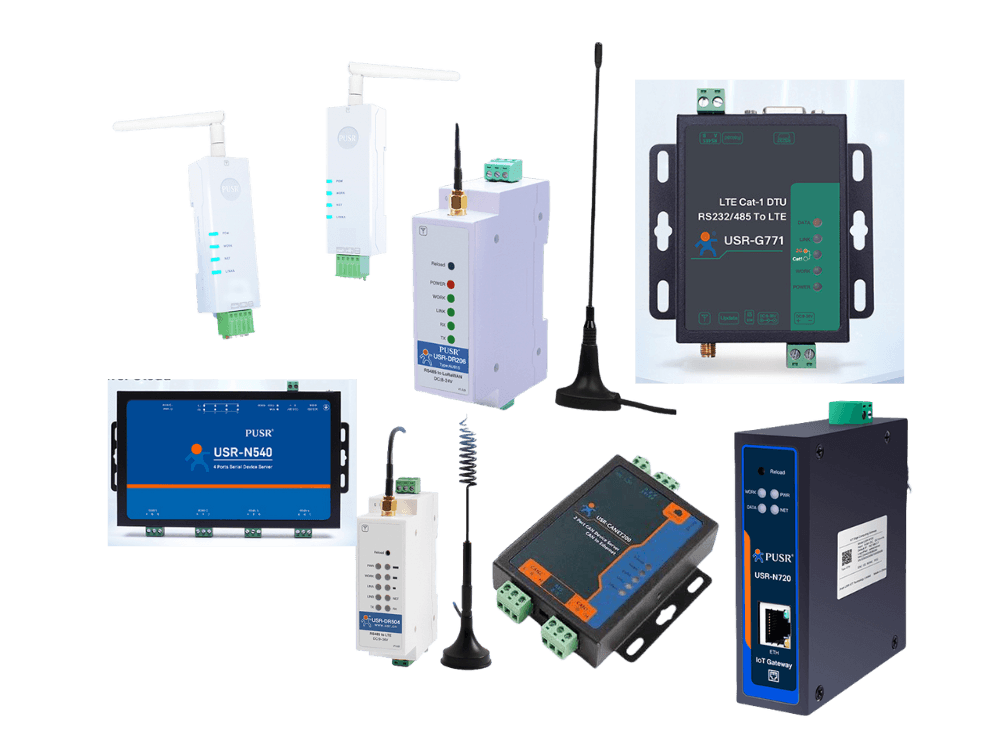
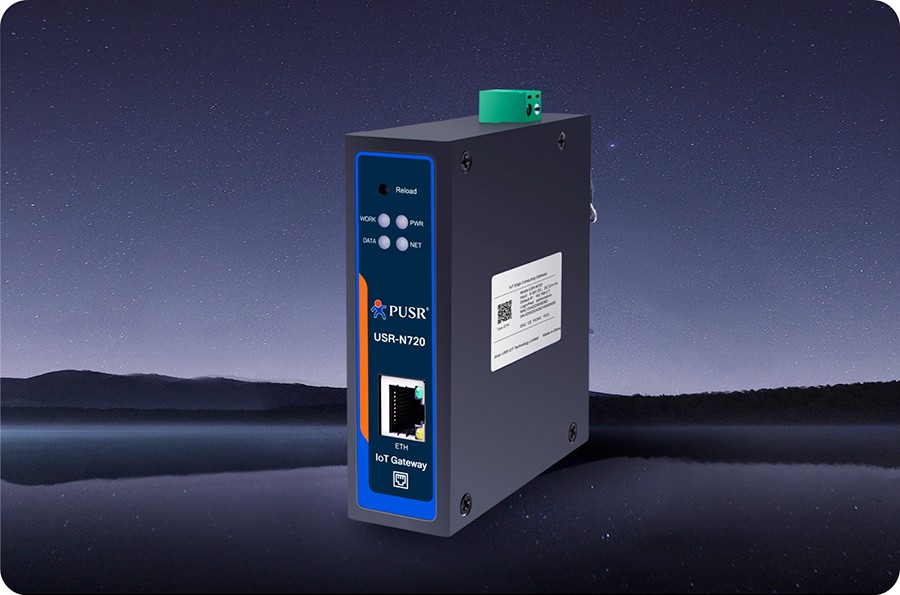
Industrial Device Networking refers to the technologies and hardware used to connect legacy industrial equipment—such as RS232/RS485 serial devices, Modbus instruments, CAN-based controllers, and fieldbus modules—into modern Ethernet, wireless, and cloud-based automation environments. These solutions bridge the communication gap between traditional machines and contemporary industrial networks, enabling seamless data exchange, remote management, and system interoperability.This category includes serial device servers, cellular modems, CAN/fieldbus converters, and LoRa/Swarm communication devices. Together, they allow previously isolated equipment to communicate securely with PLCs, SCADA systems, IoT platforms, and APS Cloud. Whether upgrading old machinery, integrating third-party devices, or extending connectivity to remote assets, Industrial Device Networking ensures compatibility across generations of equipment.
As industrial facilities evolve toward IIoT and Industry 4.0, the ability to translate, transport, and modernise data from existing machines becomes vital. These networking components provide a flexible and cost-effective way to extend the life of legacy devices while enabling real-time data visibility, enhanced automation, and remote diagnostics.
What is Industrial Device Networking
Industrial Device Networking refers to the technologies that allow legacy, serial-based, and protocol-specific industrial equipment to communicate within modern automation networks. Many industrial machines—such as meters, instruments, sensors, motors, and controllers—rely on older communication methods like RS232, RS485, CANbus, and proprietary fieldbus standards. Device networking solutions bridge these traditional interfaces with Ethernet, WiFi, cellular, and cloud platforms, enabling unified communication across all levels of an industrial environment.
A complete Industrial Device Networking ecosystem includes several key device groups, each serving a specialised integration function:
1. Serial Device Servers
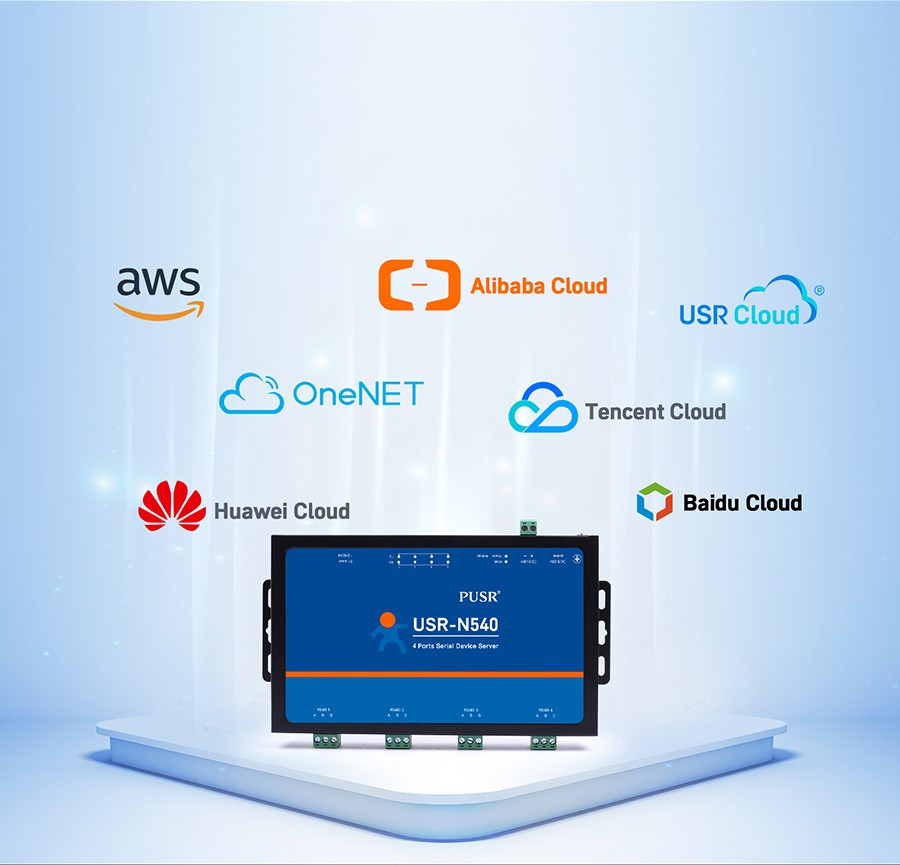
Serial device servers convert traditional RS232/RS485/RS422 interfaces into Ethernet or WiFi, enabling older industrial equipment to participate in modern network architectures. They allow remote monitoring and control of devices that were previously accessible only through physical serial connections. By bridging serial communication with TCP/IP networks, they help extend the operational life of legacy sensors, instruments, controllers, and automation equipment.
2. Industrial Cellular Modems
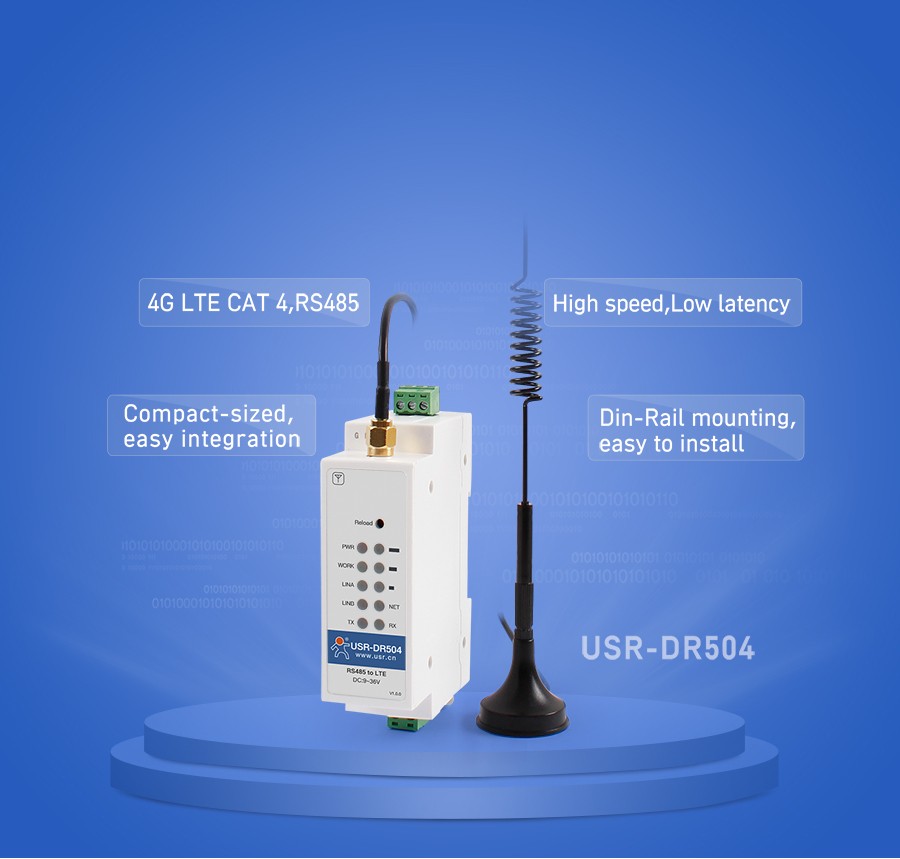
Industrial cellular modems provide wireless communication over 4G, LTE, or Cat-M networks for serial-based or standalone field devices. They enable secure remote access to equipment installed in unmanned, mobile, or geographically isolated locations. With rugged industrial design and protocol support, these modems are ideal for telemetry, utilities, environmental monitoring, and remote industrial assets.
3. Fieldbus & Protocol Converters
Fieldbus and protocol converters translate data between different industrial communication standards such as Modbus, CANopen, Profinet, EtherCAT, and other automation protocols. They allow equipment from different vendors, generations, and communication ecosystems to operate together seamlessly. These converters simplify system integration, reduce engineering effort, and allow facilities to expand or modernise without replacing existing machinery.
4. LoRa-Based Long-Distance Communication Devices
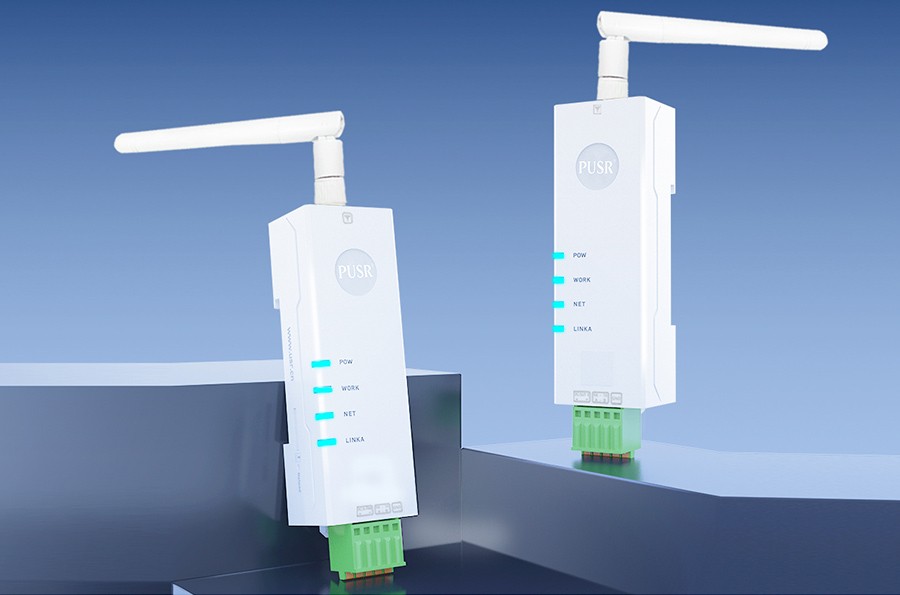
LoRa-based communication devices offer long-range, low-power wireless connectivity for distributed field sensors and remote industrial equipment. They are particularly suited for applications where cabling is impractical, such as agriculture, mining, utilities, and wide-area environmental monitoring. Their interference-resistant, energy-efficient design enables reliable data transmission over several kilometres with minimal operating cost.
Together, these device groups act as intelligent gateways and translators, ensuring interoperability between equipment from different vendors, eras, and communication standards. They make it possible for legacy machines to interact with PLCs, SCADA systems, and cloud dashboards, forming the essential integration layer that supports Industry 4.0 transformation without costly equipment replacement.
Specifications
Category | General Specification Range |
|---|---|
Serial Interfaces | RS232, RS485, RS422 depending on device type |
Network Interfaces | Ethernet 10/100 Mbps, optional WiFi or 4G cellular |
Protocol Support | Modbus RTU/TCP, MQTT, SSL/TLS, CANopen, Profinet, EtherCAT (varies by device) |
Wireless Technologies | 4G LTE, Cat-M, LoRa, Sub-GHz point-to-point |
Operating Temperature | Typically –20°C to +70°C for industrial models |
Mounting Options | DIN-rail, wall-mount, panel-mount |
Power Input | Typically 5–36 VDC depending on the device |
Management Tools | Web interface, cloud management, SMS commands, OTA updates |
Conclusion
Industrial Device Networking provides the essential tools required to integrate legacy equipment, extend system communication, and modernise industrial automation environments. By bridging serial, fieldbus, and wireless technologies with Ethernet and cloud platforms, APS Technology enables customers to build connected, scalable, and future-ready systems without replacing existing machinery.
These solutions support seamless data flow across industrial facilities, improve operational visibility, and enhance automation strategies across manufacturing, utilities, mining, agriculture, transport, and infrastructure. With robust design, strong protocol compatibility, and flexible communication options, APS Industrial Device Networking ensures long-term connectivity for both current and next-generation industrial systems.